Installing blinds may seem like a simple home improvement task, but achieving a perfect fit, smooth operation, and long-lasting performance requires precision and expertise. Professional blind installation ensures that every measurement is accurate, every bracket is securely placed, and every blind functions exactly as intended. For homeowners, understanding the installation process can help set clear expectations and make the entire experience more comfortable and stress-free.
Blinds play an important role in controlling natural light, maintaining privacy, and enhancing interior aesthetics. However, even high-quality blinds can underperform if they are not installed correctly. That is why professional installation services are often recommended, especially for custom blinds or large window setups.
This guide explains the complete professional blind installation process, step by step, along with what homeowners should expect before, during, and after installation.
Understanding Professional Blind Installation
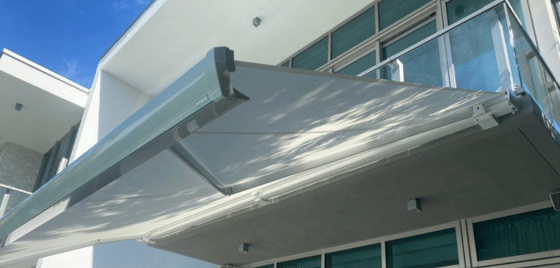
Professional blind installation is a structured process that involves measurement, planning, fitting, and final adjustments to ensure perfect alignment and functionality. Unlike DIY installation, professionals use specialized tools and experience to avoid common mistakes such as uneven mounting, incorrect sizing, or damage to walls. This approach also extends to custom indoor and outdoor shades, ensuring a precise fit and smooth performance for any space.
What Is Included in Installation Services
A professional installation service typically includes a full assessment of the windows before installation begins. Installers take precise measurements to ensure the blinds fit correctly within or outside the window frame. They also help determine the best mounting style based on window structure and homeowner preference.
Inside mount installations are placed within the window frame, offering a clean and minimal appearance. Outside mount installations are fixed on the wall or trim above the window, often used to create the illusion of larger windows or to cover gaps.
In addition, installers bring all necessary hardware, ensure proper alignment, and test the final setup for smooth operation.
Types of Blinds Commonly Installed
Professionals handle a wide variety of blinds depending on the design and functionality required. Vertical blinds are commonly installed on sliding doors and large windows due to their easy movement and wide coverage.
Venetian blinds are a popular choice for adjustable light control, featuring horizontal slats that can be tilted. Roller blinds provide a sleek and modern appearance, rolling neatly into a tube when not in use. Wooden and faux wood blinds are often installed for their aesthetic appeal and durability, especially in living rooms and offices.
Each type of blind requires a slightly different installation method, which makes professional expertise important.
Step-by-Step Blind Installation Process
The installation process is carried out in a structured sequence to ensure accuracy, safety, and durability.
Initial Consultation and Window Assessment
The process begins with a consultation where the installer evaluates the homeowner’s needs, design preferences, and budget. During this stage, the installer also inspects the windows to understand their structure, condition, and suitability for different mounting options.
This step is important because not all windows are identical. Some may have uneven frames, limited depth, or surrounding obstacles that affect installation choices. Based on this assessment, the installer provides recommendations for the most suitable blind type and mounting method.
Accurate Measurement and Planning
Precise measurement is one of the most critical steps in blind installation. Even a small error can result in gaps, poor alignment, or malfunctioning blinds.
Installers measure the width and height of each window carefully, taking into account trim size, recess depth, and any obstructions such as handles or locks. They also plan the placement of brackets to ensure proper balance and alignment.
This planning phase ensures that the blinds will fit perfectly and operate smoothly once installed.
Preparation Before Installation
Before drilling or mounting begins, professionals prepare all necessary tools and materials. This includes brackets, screws, anchors, drills, levels, and measuring equipment.
The blinds are also unboxed and inspected to ensure they are free from defects or missing parts. Installers then mark the exact points where brackets will be mounted, ensuring symmetry and precision.
Proper preparation helps avoid mistakes during the actual installation process and speeds up the overall workflow.
Mounting the Brackets
Bracket installation is a crucial step that determines the stability of the blinds. Installers carefully drill holes into the wall or window frame and secure the brackets using appropriate anchors.
A leveling tool is used to ensure that all brackets are perfectly aligned. Even slight misalignment can cause the blinds to tilt or function unevenly, so this step is done with great attention to detail.
Once installed, the brackets are tested for strength and stability to ensure they can support the weight of the blinds.
Installing the Blinds
After the brackets are securely in place, the blinds are attached to them. Depending on the type of blinds, this may involve snapping, sliding, or locking the headrail into position.
Installers then test the blinds by raising, lowering, and tilting them to ensure smooth movement. If any resistance or imbalance is found, adjustments are made immediately.
This step ensures that the blinds function correctly and provide proper light control and privacy.
Final Adjustments and Quality Check
The final stage involves detailed inspection and fine-tuning. Installers check that all slats are aligned evenly and that the blinds hang straight without gaps or tilting.
They also verify that all operating mechanisms, such as cords or wands, function smoothly. Any minor issues are corrected on-site to ensure perfect performance.
Finally, a full quality check is performed to confirm that the installation meets professional standards.
What Homeowners Should Expect on Installation Day
On the day of installation, homeowners can expect a structured and efficient process. Depending on the number of windows, installation may take a few hours or a full day.
There may be light drilling noise during bracket installation, but professionals work quickly to minimize disruption. Installers usually maintain a clean workspace and take care to avoid damaging walls or furniture.
After the installation is complete, they clean up any dust, packaging materials, and leftover debris, leaving the space neat and ready to use.
Homeowners are also given a demonstration of how to operate and maintain their blinds properly.
Common Mistakes Avoided by Professionals
One of the biggest advantages of hiring professionals is the avoidance of common installation errors. Incorrect measurements are one of the most frequent DIY mistakes, often leading to blinds that do not fit properly.
Poor alignment of brackets can cause blinds to tilt or malfunction, while loose fittings may result in safety hazards or premature wear. Professionals also ensure that walls and window frames are not damaged during installation, which is a common risk in DIY attempts.
By using proper tools and experience, professionals ensure a safe, accurate, and long-lasting installation.
Benefits of Hiring Professional Installers
Hiring professionals provides several advantages beyond just convenience. The most important benefit is accuracy. Proper installation ensures that blinds function smoothly and last longer.
It also saves homeowners significant time and effort, especially when multiple windows are involved. Professionals are trained to handle unexpected challenges, such as uneven walls or custom window shapes.
In addition, many installation services offer warranties or service guarantees, giving homeowners added peace of mind. The final result is also more polished and aesthetically pleasing compared to DIY installation.
Post-Installation Care and Maintenance
After installation, proper maintenance helps extend the lifespan of blinds. Regular dusting is recommended to keep blinds clean and free from buildup. Depending on the material, blinds may also require occasional wiping with a damp cloth.
Homeowners should avoid applying excessive force when operating blinds, as this can damage mechanisms over time. Periodic inspection helps identify any early signs of wear or misalignment.
With proper care, professionally installed blinds can last for many years while maintaining their appearance and functionality.
Conclusion
Professional blind installation is a detailed and precise process that ensures blinds are properly fitted, fully functional, and visually appealing. From initial consultation to final adjustments, each step plays a critical role in achieving a perfect result.
For homeowners, understanding the process helps set realistic expectations and highlights the value of professional expertise. Whether upgrading home interiors or installing blinds for new spaces, professional installation guarantees better performance, durability, and overall satisfaction. Contact us today to get expert assistance and ensure a seamless, professional blind installation experience for your home.
FAQs