Choosing the right window treatment can make a big difference in the appearance, comfort, and functionality of your space. Blinds, shades, and drapes are among the most popular window covering options, but each offers unique benefits when it comes to privacy, style, and everyday use. Understanding the differences can help homeowners and businesses select the best option for their needs.
Understanding Blinds, Shades, and Drapes
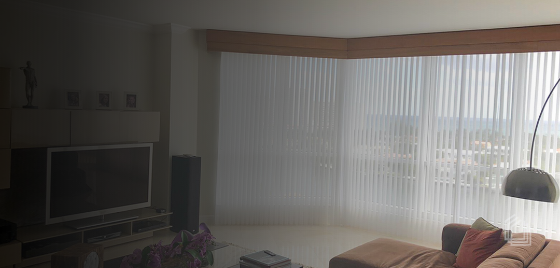
Blinds are window coverings made with slats that can be tilted, raised, or lowered to control light and privacy. They are commonly made from materials such as wood, faux wood, vinyl, or aluminum. Blinds are popular because they provide flexible light control and work well in many modern and traditional interiors.
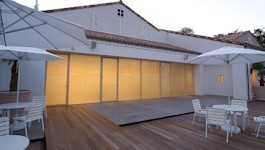
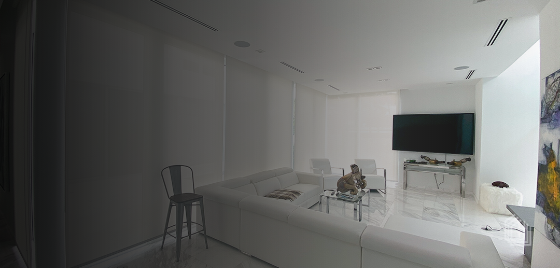
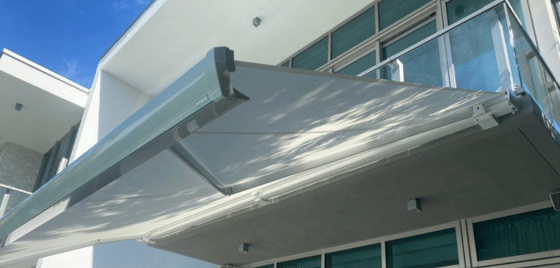
Shades are made from a continuous piece of fabric or soft material. Unlike blinds, shades do not have adjustable slats. They can be rolled, folded, or stacked when opened. Popular types include roller shades, Roman shades, cellular shades, and solar shades. Shades are often chosen for their clean look, wide variety of fabric options, and ability to complement modern luxury window shades designs in contemporary and elegant interiors.
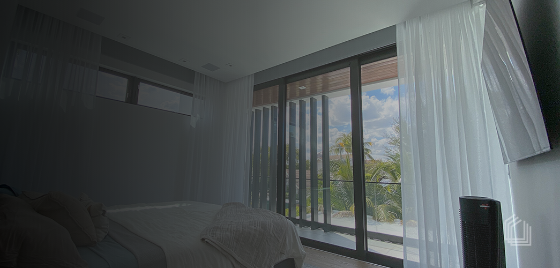
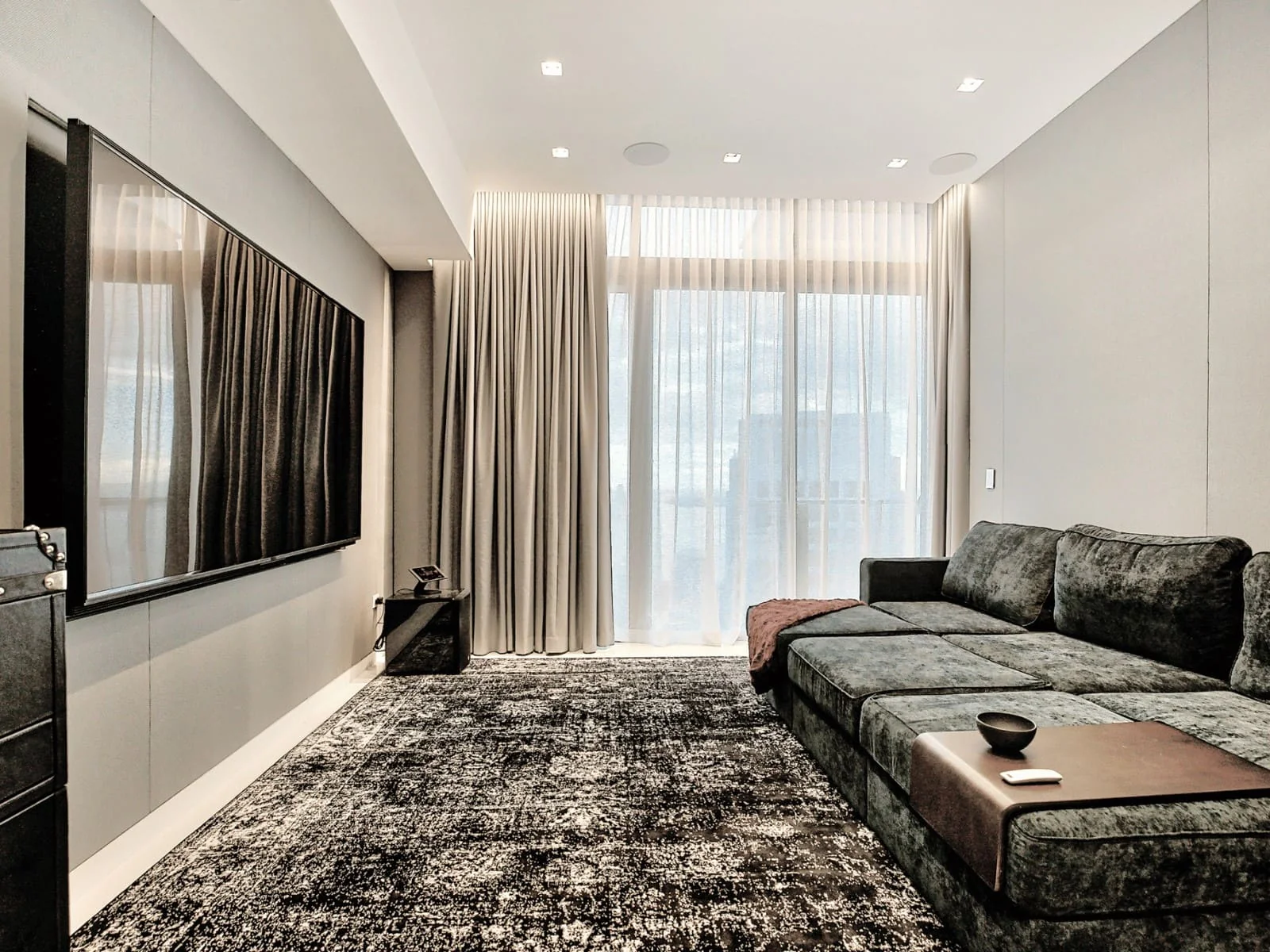
Drapes are fabric panels that hang from rods above windows. They are usually heavier than curtains and often include lining for better insulation and privacy. Drapes are available in many colors, textures, and patterns, making them a strong decorative feature in a room.
Privacy Comparison
Privacy is one of the main reasons people invest in window treatments. Blinds offer adjustable privacy because the slats can be tilted to allow light in while blocking outside views. This makes them a practical option for offices, living rooms, and kitchens.
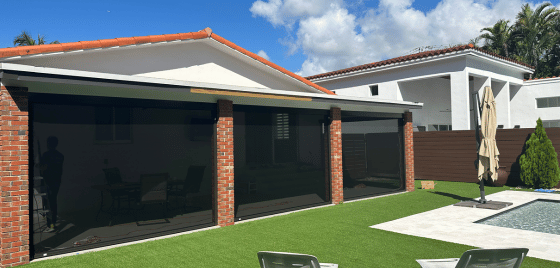
Shades provide solid privacy because they cover the entire window surface. Depending on the material, they can offer light filtering or blackout capabilities. Blackout shades are especially popular for bedrooms, nurseries, and media rooms where complete privacy and darkness are important.
Drapes can also provide excellent privacy, particularly when made with thick or blackout fabrics. Floor-length drapes with liners are ideal for bedrooms and spaces where maximum privacy is needed. However, unlike blinds, drapes generally do not offer precise light adjustment unless paired with other window treatments.
Style and Aesthetic Appeal
Style is another important factor when comparing blinds, shades, and drapes. Blinds often create a clean, structured appearance that works well in contemporary and minimalist interiors. Wood blinds can add warmth and elegance, while aluminum or vinyl blinds deliver a more modern look.
Shades offer a softer and more refined appearance. Since they are available in many fabrics, colors, and textures, they can fit a wide range of interior design styles. Roman shades can add sophistication, while roller shades are known for their simple and sleek design.
Drapes are often chosen for their decorative value. They can create a dramatic, luxurious, or cozy atmosphere depending on the fabric and design. Drapes allow homeowners to introduce patterns, bold colors, and rich textures into a room. They are commonly used in formal dining rooms, master bedrooms, and elegant living spaces.
Functionality and Everyday Use
Functionality is essential when selecting window treatments. Blinds are valued for their adjustable light control. The slats can be opened, closed, or tilted to manage sunlight throughout the day. They are also relatively easy to clean and maintain.
Shades are known for their simplicity and versatility. Many modern shades include cordless or motorized operation for added convenience and safety. Cellular shades are especially popular for energy efficiency because their design helps insulate windows and reduce heat transfer.
Drapes provide excellent insulation and can help maintain indoor temperatures. Thick drapes can block sunlight, reduce noise, and improve energy efficiency. However, they may require more maintenance than blinds or shades because fabric panels often need regular cleaning.
Cost and Installation Differences
Cost can vary depending on material, customization, and installation requirements. Basic blinds are often one of the most affordable window treatment options, making them a popular choice for budget-conscious homeowners.
Shades can range from affordable roller shades to premium custom cellular or Roman shades. Their price usually depends on fabric quality, operating system, and customization features.
Drapes can vary significantly in cost. Ready-made drapes may be affordable, but custom drapery made from premium fabrics can become a larger investment. Additional expenses may include rods, hardware, and professional installation.
How to Choose the Right Window Treatment
The best choice depends on your priorities. If adjustable light control and affordability are most important, blinds may be the right solution. If you prefer a clean appearance, fabric softness, and energy efficiency, shades may be a better fit. If your goal is to create a stylish and elegant atmosphere with added insulation, drapes can be an excellent option.
Many homeowners also combine window treatments to maximize benefits. For example, pairing shades with drapes can improve privacy, light control, insulation, and visual appeal. Layered treatments allow for greater flexibility while enhancing the overall design of a room.
Common Mistakes to Avoid
One common mistake is choosing a window treatment based only on appearance without considering function. A beautiful option may not provide the privacy or light control required for the space. Another mistake is ignoring maintenance needs. Some materials are easier to clean and maintain than others.
Incorrect sizing and poor installation can also affect performance and appearance. Measuring windows accurately and selecting the right fit are important steps in achieving a polished result.
Conclusion
Blinds, shades, and drapes each offer unique advantages for privacy, style, and functionality. Blinds provide adjustable light control and practicality. Shades deliver soft design, versatility, and energy efficiency. Drapes add elegance, insulation, and decorative impact. By understanding the differences, homeowners can choose a window treatment that complements their lifestyle, design preferences, and everyday needs. Contact us today to explore the best window treatment solutions for your space and get expert guidance tailored to your style, privacy, and functional requirements.
FAQs